How to Avoid Amazon’s Long-Term Storage Fees
Long-Term Storage Fees have a direct impact on seller profitability. Storing part of the inventory outside of Amazon's warehouses reduces exposure to penalties.
Although Amazon is often the first choice for entrepreneurs looking to scale their online sales in the US, the marketplace also imposes certain costs that can affect profitability. One example is Long-Term Storage Fees (LTSF), which play a central role by penalizing inventory that remains in Amazon’s logistics network for an extended period.
Understanding how these fees work and which operational decisions can reduce their impact is a key factor for any seller seeking to grow and optimize sales in the United States’ largest marketplace.
What Long-Term Storage Fees Are and How They Work
Long-Term Storage Fees (LTSF) are additional charges applied by Amazon FBA to inventory that remains stored for extended periods in its fulfillment centers. In other words, when a product exceeds certain storage time thresholds and fails to achieve the expected turnover, it begins to incur additional costs associated with aging inventory.
The Cost of Keeping All Inventory in Amazon and How to Avoid It
One of the most common mistakes companies make when selling on Amazon FBA is sending all their inventory to Amazon and keeping their entire available stock there. Although that may seem simpler at first, over time it often results in less flexibility, a higher risk of overstock, and greater exposure to Long-Term Storage Fees.

Avoiding this does not require abandoning Amazon FBA. It means changing the replenishment model so that Amazon remains part of the operation without becoming the sole inventory location.
A Hybrid FBA + 3PL Model to Reduce Exposure
An effective way to reduce risk is to operate under a hybrid model. What does this mean?
A portion of the inventory remains at Amazon, while the rest is stored at facilities operated by an external logistics provider, such as AeroWork. This allows the company to gradually replenish stock on Amazon, without sending more volume than necessary to the platform’s fulfillment centers in advance.
This model allows keeping backup inventory outside Amazon and using FBA more tactically, with greater control over timing, quantities, and turnover. This supports companies in:
- Reducing the volume exposed to prolonged storage at Amazon
- Lowering the risk of penalties tied to aged inventory
- Improving replenishment planning
- Regaining operational control over stock
- Freeing up working capital that would otherwise remain tied up in FBA
How AeroWork Helps Reduce LTSF and Improve Inventory Control
At AeroWork, we mitigate the risk of Long-Term Storage Fees (LTSF) by offering a more flexible model that avoids keeping excess or slow-moving inventory in Amazon FBA for extended periods. Instead of tying up stock and absorbing escalating penalties, brands can relocate inventory to our AeroWork warehouse in Miami and use it as a backup operational base to replenish Amazon in a phased manner, aligned with demand and turnover.
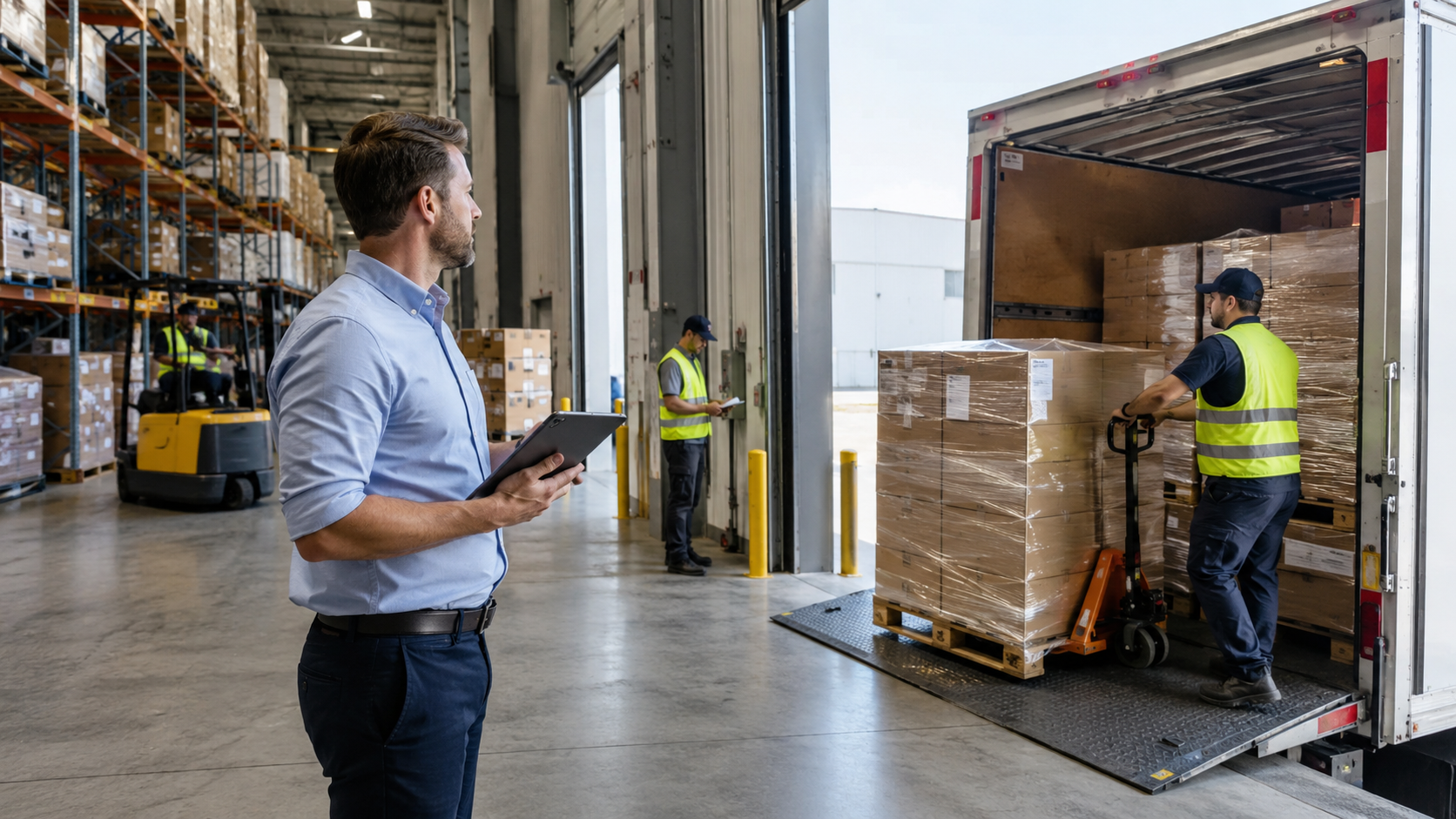
In addition, we offer a flexible storage structure, with no minimum volume requirements and a prorated fee based on the space actually used. This allows growing brands and established sellers to manage inventory more efficiently, avoiding oversized operations and fixed costs that do not reflect actual activity levels.
At the same time, this approach provides the agility required to adapt logistics to changes in demand, seasonal peaks, or new stages of growth. We also support Amazon sellers with external storage, FBA prep, labeling, kitting, quality control, and remote product inspections.
To learn more about our services, avoid Long-Term Storage Fees, and assess a structure customized to your Amazon FBA operation, contact our team.